

Uncategorized
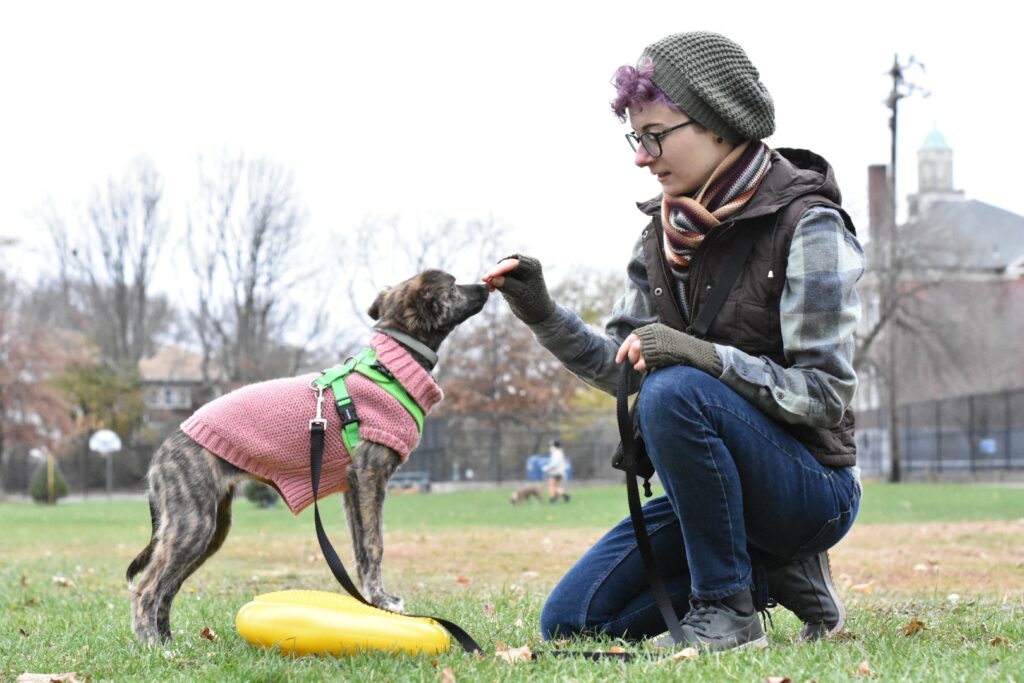
Breeder Spotlight: Ezri Silverberg and Apsara Windsprites and Lurchers
Sep
Jess Sedivy (00:00)
Welcome to the Functional breeding podcast. I’m Jess Sedivy Gunderson, filling in as interim host for Perry while she is on a break.
The FDC podcast is here to explore what goes into breeding dogs for functional health, both behavioral and physical. This podcast is brought to you by the Functional Dog Collaborative, an organization founded to support the ethical breeding of healthy, behaviorally sound dogs. The FDC provides educational, social, and technical resources to breeders of both purebred and mixed breed dogs.
You can find out more at functional breeding.org or in the functional breeding Facebook group, which we work very hard to keep friendly and inclusive. If you would like to support the podcast, you can find us on Patreon. There will be a link in the show notes.
In this Breeder Spotlight, I sat down with Ezri Silverberg of Apsara to talk about Windsprites, lurchers, and the realities of breeding within—and beyond—a small gene pool.
Ezri brings a unique perspective to this work as a certified dog trainer and certified canine behavior consultant, and we explored how that background—along with their own experiences—has shaped a strong focus on temperament and producing dogs who are truly easy to live with.
We talked about the challenges that come with a rare breed, genetic diversity and health, and how Ezri is approaching those challenges through intentional outcrossing and a clear focus on companion traits.
We also got into Ezri’s unique way of raising, evaluating and placing their puppies, their commitment to financial transparency, and how they create more accessible pathways for puppy homes through mentorship and the importance of community.
This is a conversation about thoughtful trade-offs, clear priorities, and bringing people into the process.
>>>>>
Jess Sedivy (02:08)
Ezri thank you so much for coming on the podcast to talk about your program today.
And to get started, for our listeners who do not know much about Windsprites or maybe aren’t familiar with the breed, maybe have never even heard of them, can you describe them for us and tell us what you love about them?
Ezri (02:25)
Absolutely. First of all, thank you for having me. I’m so excited. So Windsprites, I think the thing that I love about them the most, and this is actually credit to my friend, ⁓ Ulua Demi, who also did an interview with you guys on body language, fun enough. ⁓ But she really put it best when she said that, you know, we think about dogs having an off switch and having an ability to just settle. So Windsprites don’t just have an off switch. They have an on switch. Like their default mode is off. But at any given time you could be like, hey, let’s go do a thing. And they’re like, boom, I’m ready. ⁓ No matter what it is. And they tend to approach it with this just optimism and sense of humor. The things that I so fell in love with about them and their size is perfect. They’re, you know, under 30 pounds typically when I came into the breed. So they’re small enough that you can pick them up and carry them but because they’re primarily sight hounds they’re tall so they’re not so little that you’re tripping over them. Right? Like they’re very portable but they’re just a perfect size and they’re so much fun and they’re just sweet dogs.
Jess Sedivy (03:28)
Yes. So ⁓ after kind of reviewing your background, you were a vet tech. And can you share a little bit with us about your path into dogs and kind of how you got started with Windsprites?
Ezri (03:49)
Yeah, my path into dogs. So I was really reflecting on this one this morning and I was like, how am I not going to make it an entire hour of the impact that dogs had on me. So I think we just start with, ⁓ it really started in my early childhood, just my obsession with dogs. And we don’t need to get into the details of my early childhood. That’s what I’ve paid my therapist for. ⁓ The one constant that I had when I was a little kid were my neighbors, two dogs, Pain and Bailey. ⁓ Pain was what we would consider to be a typical pitbull he was a red brindle boxer mix of sorts ⁓ and Bailey was a little Basenji. ⁓ I would like to clarify because I think it really speaks to his character and who he was. Pain was not named Pain because he caused it. He was named Pain because his dad said he was a pain in the ass.
Jess Sedivy (04:46)
I think a lot of us can understand that.
Ezri (04:46)
Right, the earliest like fond childhood memories of getting off the school bus and like running into his yard because this is the you know early 90s it’s the days of invisible fences so I just run into the yard and hang out with the dogs like for the rest of the day. They were just you know that constant that was always there. I kind of ended up in Apsara and breeding dogs because this you know dog hyper focus took me from hanging out with my neighbor’s dogs to moving into an apartment and getting a job at a daycare and getting my first dog and then moving and working at Petco and then moving into a boarding kennel and then I was a vet assistant and moved into physical rehab and then I went into critical care and behavior and then I became a certified trainer and behavior consultant but through that whole you know journey and ride ⁓ I was exposed to so many dogs I just love dogs and I’ve kind of been on this like personal mission to learn everything that I can about these companions that we love to share our lives with
Jess Sedivy (06:02)
Yeah, and so one thing I love about about getting to do this interim hosting is just connecting with people who truly love dogs. And I can tell that dogs are this thread that is just woven into the tapestry of who they are. And ⁓ so we since it came up a little bit already, let’s talk about it. ⁓ How did your experience with your first dog really shape how you think about breeding today?
Ezri (06:25)
Yeah, so my…own first dog ⁓ for me when I was in my apartment like hip hip hooray I’m gonna go get a puppy and these were in the days that I was like sold on the idea that it’s all in how you raise them so I’m gonna go to the shelter I’m gonna get my puppy we’re gonna go to puppy class we’re gonna do the socialization things we’re gonna do the training things we’re gonna do everything right ⁓ and I went to the Phoenix Humane Society and I brought my puppy home and I did buy textbook all the right things ⁓ and her dog aggression appeared when she was around a year old just after a year. It escalated from just an excitability to just a straight aggression and it continued to evolve ⁓ and she would redirect and then it continued to evolve into human aggression and she got to a point where I was the only living thing that she could share space with safely.
And that was an incredibly humbling learning experience for me, because at that point, I mean, I had had years in the field working with daycare dogs and kennel dogs, and I was a tech assistant in a physical rehab clinic. Like I had taught so many dogs how to use treadmills and go around cones, right? Like I’m not a novice at dogs. How did this happen? And it was a very humbling experience. well, guess what? Genetics matter. ⁓ Whether you’re looking at a purebred or
Jess Sedivy (07:53)
They do.
Ezri (07:55)
And so that really did kind of put me on this path where That’s when I started getting into behavior because I wanted to be able to help my own dog That’s why I became a behavior tech, right? That’s why I became a certified trainer and then that’s why I kept following that path Because I wanted to understand like what what happened and at the end of the day she was just dealt a very unfortunate genetic temperament card, but I don’t think that anyone should have to go through that. You know, your pet dog should not be a project. That’s why I focus on temperament.
Jess Sedivy (08:31)
I would agree. Yeah,
I would agree. Let’s go into temperament a little bit before we talk about your individual breeding program. You have talked about temperament, how you feel it comes before type, ⁓ that it’s definitely a huge priority. How would you define your ideal companion temperament?
Ezri (08:57)
Yep, so this is actually something, ⁓ it’s a page that I’m working on for my website right now.
the ⁓ ideal temperament of the Apsara dog. And I have it open in a tab over here because I knew this question was coming and I’m so excited to be able to share this list. It’s like the sneak, the official first sneak peek at the Apsara Lurcher standard, right? So the ideal Apsara puppy or Apsara dog is going to have a genetic coefficient of inbreeding below 10 % is physically healthy and structurally sound. So we have no ongoing health issues.
Jess Sedivy (09:18)
Yes.
Ezri (09:35)
that are causing us to have to have costs to maintain a dog is under 35 pounds for portability is affectionate and cuddly wants to hang out with you but is not overly clingy not trying to climb up your hoodie 24 7 is naturally handler focused and easy to train and eager to learn so we’re gonna have a food drive and an orientation to look to our person for information when we’re not sure what’s going on next they’re able to settle and self-entertain so they need you for constant entertainment. Is self-confident and resilient so able to go new places and try new things with optimism and when things do happen it’s not going to totally shut them down. They’re not overly sensitive to loud noises. Do not display separation anxiety or ⁓ distress. Do not display any inappropriate aggression. So I put aggression into two categories right there’s a quote appropriate aggression what does that look like well if your dog has a friend over, by friend I mean another dog, right? Like Pokey has a playmate over who’s seven months old and all he wants to do is hump. It’s his new favorite game because he’s a teenager. All I want to do is hump the dog. I would argue it would be appropriate for Pokey after the third or fourth time trying to take space from this dog for her to turn around and go, hey, that’s an aggressive snark in the direction of a dog, but it’s appropriate, right? Because it’s saying, hey, I want some space. So I would find all that in appropriate. Inappropriate would be if she had made contact with that dog the first time right and like flip turned around like no I’m angry with you or people can’t get near your food or other dogs can’t get near your food right inappropriate aggression is inexcusable for me ⁓ and then also is able to socialize appropriately with other dogs other people and children strangers and familiar does not have a dangerous prey drive meaning we’re able to live with other small household pets has a sense of humor I love a dog with a sense of humor and that’s mostly meaning that like they don’t completely and utterly shut down at everything right or like they’re able to find joy in life on their own I love that and just that they’re overall a joy to share your house in your life with so that’s List of traits that I’m looking for in the dogs that I’m producing.
Jess Sedivy (11:30)
So your foundation, you know, that you’re working from is a healthy dog, a dog that’s, know, genetically sound healthy that way physically, and then you’re kind of escalating up from there. And I, one of the things I love talking to breeders about are those intangibles. Like, how do you quantify a sense of humor? How do you quantify joy? How do you quantify a dog that’s forgiving? And so I think that’s what, what just makes conversations like this.
so incredible, just fascinating. And we’ll get in a little bit more to like your specific breeding. when you place a puppy in a home, what is your ideal outcome? Like what is it in your mind? What image are you holding for that dog to look like for the rest of its life with its people?
Ezri (12:33)
That for both the dog and the people at no point do we need to attempt to how do I word this have like a major intervention ⁓ because of a natural temperament trait I would argue that’s almost intrusive right like if you take a dog who’s incredibly active and You give them to a family that is not they’re gonna say ⁓ all this dog does all day is I don’t know choose destructive behavior because the dog is bored and now we’re gonna have to have a whole Modification plan around this destructive behavior, which we could have avoided in the first place if you didn’t get such a busy dog Now we’re intruding on the dog’s life in the people’s lives because the dog is now unfairly being told you have too much drive. It’s the drive I was born with and these people need to almost alter their lives to accommodate a dog. I call that a mismatch. Yeah, but I hope that answers your question. Yeah.
Jess Sedivy (13:48)
Yeah, it does. And so let’s talk a little bit about Windsprites. And can you talk a little bit about how most Windsprites are bred and maybe how your breeding program is different?
Ezri (13:55)
Mm-hmm.
Yeah, well I started with Windsprites. I did my first breeding was my Windsprite Aura and she produced our A litter, the ⁓ the Avatar litter that we co-bred and that was my first litter where I started really learning about genetic COI and how much it can differ from a pedigree COI. So we knew COI was important but I was really surprised because on paper the COI we were expecting was to 9 % but when tested came back 20 to 30. I think my highest is 27 or 28 on that litter. I was like whoa that’s not cute that’s a problem. ⁓ Okay so the B litter next round we outcross to whip it and so that would still be within ⁓ you know the they’re registerable as Windsprites and so we produced that litter ⁓ and ECOI still were close to 20, ⁓ which again was surprising because this is an AKC Whippet to a Windsprite. How are we coming back this high? And it’s like, well, so much of their foundation is based in. And then there’s also when you have a breed whose small gene pool is within New England, especially at that time, right? We’re a bit more spread out with breeders now. There’s only going to be so many Whippet breeders that are gonna let you use their studs. And that’s a big problem actually, because then you’re even more limited when you think you’re out crossing if it’s always the same few lines. How much diversity are we really adding here? So then I went to look for a shell tee for my C litter, which I knew would not be endorsed by the club. They would not be registerable as Windsprites, but I couldn’t find a dog to match my dogs with that I would get under 20 and still check my temperament boxes because I care a lot about temperament I always have. And I know that I have very particular, you know, list of temperament traits and all those boxes that I need to check, but I need to check them. And I was looking for a Sheltie and I couldn’t find a breeder that was going to let me use one that also checked all my boxes, but I did find an Icelandic sheepdog. And there are a foundation for a Sheltie. And I was kind of having this moment where I was like, you know what? Let’s see what happens, right?
Jess Sedivy (16:26)
Yeah, exactly.
Ezri (16:26)
For science, let’s do it. ⁓ And they were incredible. Absolutely incredible. And then I was getting ready for D-Litter and I’m like, okay, what are we going to do here? Let’s find that Sheltie now. And again, I’m looking and I’m looking and I could not find one. I couldn’t find a Windsprite. Again, that would give me a low enough genetic COI and check all of my boxes for temperament. ⁓ I couldn’t quite find the Sheltie I wanted that would check all of my boxes, but Weller from the Vulpine Spitz Project, was available. And again, I had one of these moments of like, well, if I’m really putting temperament before type, and like I’m really saying that this is more important to me, this dog checks every single one of my boxes. He’s perfect. Let’s do it. ⁓ And so I’ve sort of ended up floating more over into lurchers and absolutely putting temperament and health first because what I started finding in Windsprites is that, my first litter, my A litter, I have one dog developed allergies and two have more sensitive stomachs. I don’t like that. And then as I was getting ready for my C and D litters, I had four Windsprites at home, one of whom is on medication for seasonal allergies and another one who had an Addisonian crash and developed Addison’s disease. So 50 % of my dogs at home have an immune disorder. That’s not an ideal companion dog to me, right? So it’s gonna differ person to person. Some people would say that’s a risk that you take when you are getting a purebred dog. Sure, I would like to try and reduce that if possible and out crossing for me is the answer there whether it’s sanctioned by club or not.
Jess Sedivy (17:57)
Yes.
Yes admirable and we are on the same page there. ⁓ So when you’re talking about the checklist that you have, you, ⁓ when you approach looking at your breeding stock adults, ⁓ do you actually go through the checklist or are you to the point now where you kind of just sit back in your nodding? So for our friends who can’t see the video. ⁓ Okay. So you do. All right.
Ezri (18:35)
both? Yep.
Yep. So when I’m looking for a stud dog,
I literally shop. I’m gonna need to see this dog in public and at performance events if that’s where he is. If he’s only at performance events, that’s nice, but can you please take him to Lowe’s for me and take a video of the two of you walking around the store? Because I would run out of fingers and toes if I counted the amount of dogs that I know that can hold themselves composed through an entire trial event, but the second you take them to a farmer’s market they lose it ⁓ because they don’t know the routine of the farmer’s market.
Jess Sedivy (19:13)
Right.
Ezri (19:15)
right? So take him to a busier novel place what happens? Right.
Jess Sedivy (19:20)
Yes, can the dog generalize from the ring
to real life? Yes.
Ezri (19:24)
Right. Is
it just in the ring or is it in everyday life too? Because again, I’m mostly placing companions, not performance dogs. So it’s great that, you know, the show dog can be quiet in his crate until it’s his turn. But what happens when you go to eat at the patio at the pizza restaurant? ⁓ Right. But I do run through essentially a list of, well, we’re looking for what happens when you’re on a walk and a person with a kid comes around the corner. What happens if you put
Jess Sedivy (19:40)
Right.
Ezri (19:54)
him in a crate in a friend’s house and leave. What happens if, what happens if, and I don’t need the answer to all of those to be absolutely perfect. There are things that I’ll be more flexible on than others like a toy drive or a food drive or even prey drive in some cases depending on the dog that I’m pairing right. So if I have a dog with an incredibly low prey drive, Aura who will sit on my back deck and share it with chipmunks and squirrels, we’ve tried many times to take her lure coursing, she watches the bag fly away and she looks at you like someone littered and they should do something about that and then she just goes and says hi to all the like people who are standing there because she couldn’t care less. ⁓
Right? ⁓ And so with her and knowing how her siblings are, I was not necessarily completely worried, but I knew she had one sibling who has a wicked prey drive at least. So I didn’t want wicked prey drive in the stud dog either. Right? So it’s kind of depending on what the extremes are in the dog that I have, I’m going to compare it to what the extremes are in the dogs that I’m looking at. And anyone who’s meeting any of those non-negotiable
is just off the table. ⁓ You have to have non-negotiables.
Jess Sedivy (21:11)
I would agree. So let’s hang with your ⁓ breeding selection a little bit before we get into how you raise puppies so when you are when you’re thinking about. ⁓ Adding in a new breed or out crossing to different breeds do you, how much weight do you give at this point in your program to maintaining a recognizable type in Windsprites.
How do you how do you thread that needle? think that that’s a fascinating question for all out cross breeders. Like where are where is your risk comfort level and what are you willing to give up now to get back later? If that makes sense.
Ezri (21:43)
Mm-hmm.
I am.
Yeah, absolutely. And so I think this is where I’m gonna have the biggest difference between me and other, you know, Windsprite breeders. I think I might lean more lurcher breeder at this point. I would love to, for science, take a lurcher line back to type, right? And see how many generations it takes. my order is temperament, health, structure. ⁓ So when I’m looking at breed traits, the first things I’m looking at are temperament. And how does that all match and align with my goals and so when we had a dog like you know Weller who’s a mix from the Vulpine Spitz project I’m not just looking at Weller as an individual his litter mates his dam and his stud his grandparents I’m also looking at what breeds went into making this dog and what other traits do those breeds have and what happens if I bring them into my line right. What happens if something sits residually under the surface for you know X amount of years what could I be bringing to the table and what is the likelihood that I will use this breed again to bring in more recessive traits from you know whatever it is. ⁓ And considering the percentage of what breeds are in the dog and it’s, it’s a balancing act right? A very careful balancing act and that’s why it’s so important to set what comes first, what comes second, what comes third, and then where are my non-negotiables because then the balancing act gets a lot easier because for the most part they all sort themselves out.
Jess Sedivy (23:25)
Have you run into any challenges with registries or the broader Windsprite community disagreeing with your choices? Have they been supportive? Can you talk a little bit about that?
Ezri (23:35)
Yeah, I mean it’s…
what you would expect from any social group, right? There’s people who are out loud supportive. There’s people who are quietly supportive. There’s people who are out loud, not supportive. ⁓ But I think, you kind of have to embrace that, like, you know, if no one’s mad at you, you’re doing something wrong, right? Like, if you don’t have any hills that you die on, then your landscape must be very flat and boring, right? ⁓
Jess Sedivy (23:57)
Yes, I like that. I like that.
Ezri (24:07)
But I also think that it’s important that people do disagree right because if there weren’t Windsprite breeders who were solely focused on color then we would have lost black dogs a long time ago but someone really cared and someone focused on that and they’re available if someone wants to use them right ⁓ so there are people who are focused on structure when i do want to go back to type then i’m gonna need to look to those lines who are more focused on structure while also recognizing that the farther I get from it the more generations it might take to come back and then that much more percentage of out-crossing will lose with every generation. ⁓ So again, back to our balancing act and needing to set your priorities, right?
Jess Sedivy (24:45)
Yes. Exactly. So when it comes to raising puppies ⁓ with your background, have, you know, your background as a vet tech, your background as a trainer, ⁓ what kind of, what does puppy raising look like to you? And can you talk a little bit about how you balance a structured raising of puppies versus being responsive not only to the litter, but to each individual dog?
Ezri (25:15)
Yep, ⁓ I can talk a lot about it. I’ll do my best to talk a little bit about it.
So when I set out to raise my first litter, I have always been a person who is like, can tell me this is how we do it, but if you can’t tell me why, I’m going to need to find the why. And that might change how I do it. ⁓ And so I studied every raising protocol there is.
I went through and looked at, okay, what are we doing over here? And then I started getting into the cognitive science of it. Well, when was early neurological stimulation even developed? Why do we do this with our dogs? In what year did it start? And I really started getting into like the nitty gritty of all of it ⁓ and thinking about, you know, why is it that you can have this breeder over here who has, you know, health tested dogs and done everything right and you know a lot of these puppies are euthanized at whatever age for behavior versus this dog who had a litter of puppies in a dumpster in Georgia and they’re all doing great like what what is going on here ⁓ and so the whole like temperament versus personality thing really started for me and that like hyper focus hole is still, we’re still going ⁓ but it really did help me develop my protocols so, when we have a litter on the ground and that’s not even looking at everything that we do with mom before she gets pregnant and during gestation, right, because there’s whole protocols there too. This is starting once puppies are on the ground. So we have a separate whelp area for mom and puppies where it’s quiet, it’s more secluded for those first couple weeks and that’s for mom’s comfort mostly, right? I don’t want her stressed because she’s gonna give that stress right down to her babies. ⁓ But every day when we’re doing things with these puppies, it’s a little bit different and I use the environment to my advantage. So for example, every day that puppies enter the weighing box, I have at my weighing station cubbies of sensory things that go in the box. So they’re gonna go on a soft towel, a wool towel, a rubber mat, a piece of turf, actual grass. I have brought dirt into my house and put it in the box. I have you shaved ice. I have you snow because it was the dead of winter. I have rocks that I have put in there. We’ve put them on duck feathers, chicken feathers, a licki mat because it’s rubber and weird. We put them in there with sensory toys. So every single day it’s a little bit different, but not by much, right? And I’m not talking about covering the entire bottom of the box because these are baby neonatal puppies and I don’t want to just suddenly overwhelm their entire senses, right? But much like you would tickle in between toes with a Q-tip following a typical ENS protocol, I’m putting them in front of a licki mat where they’re stepping forward and now they have rubber bumping up in between their toes and they’re getting to experience something novel. It’s not being done to them by a person ⁓ because I’ve had concerns that we’re creating handling sensitivity in some dogs with the way that we’re doing things. That’s a whole nother discussion for a whole nother time, right? ⁓
Jess Sedivy (28:38)
A different podcast.
Ezri (28:40)
Right, it’s a different podcast. We’ll come back to that later. But letting the environment do that for me and also observing how puppies react to it because I got to tell you, you can tell from a lot younger than we think you can, right? Or than I’ve heard discussed. Every day when we change that box over I already have my litter in there like holding laundry basket right and mom’s going back in the welping box to lay down and wait for her babies to be returned. As soon as we’re crawling they do not get immediately returned to the milk bar which is habit by so many people. I say, what happens if I put you in the corner? Can you crawl your way over there? Can you find your way over there? Do I need to save you? Does your mom need to save you? What do you do? And it’s fascinating to me that like consistently my pushiest most forward most like I’m a grown-up I can do this puppy of the litter the one that’s gonna have me growing gray hairs is the first one that you put in the box and they just go and they follow the wall.
They don’t random direction. tend to follow the wall, but they’re the first one to just, I’m not looking for mom. I’m going, but I’m going to use this landmark to go because boy, freedom. Right. And then you have your group of puppies who will kind of like circle for a minute. And then they’re like, I don’t know where I am. And they stop and consistently my damn will reach her foot out and be like, Hey you, it’s okay. Come on over. ⁓ and they’re consistently my puppies who, one of the things we look at in evaluations is how do we deal with frustration? ⁓ And their answer is they don’t. They just go, this is too hard and they leave.
Jess Sedivy (30:23)
Yes.
Ezri (30:32)
Right? So you can actually start to see those things before they even have eyes. ⁓which is just so crazy to me. And so that’s part of almost like the research that we’re doing here, right into what are identifiable temperament traits. ⁓ But evaluations as they’re moving, again, it’s every day I’m taking them out to clean their box anyway, because sleep is so important for development. I’m not gonna wake them up to do more stuff later. While we are already awake, that’s while we’re doing this.
Jess Sedivy (30:57)
like that. I love that.
Ezri (31:01)
I want to clarify that I am not waking puppies up, nope. because all their most important developmental things is happening while they are sleeping. I’ve had puppies miss evaluations because they were passed out and I was like, we can do this tomorrow. I’m not waking you up right now or I’ll try later. Right? The evaluation will still be sitting here waiting for us. And those change based on the age of the puppies, right? And how much they’re wanting to explore. And we do really, as we’re going week by week and exposing them to new sensory objects as their senses develop by way of environment. ⁓ things get more startling, right? Like I will keep shallow Amazon boxes and put them in the pen next to like a balance pod so they can climb up on the balance pod and they’ll go to step on the top of the box and fall in, right? And so sometimes you’re walking through the world and the floor just gives out on you, isn’t that weird? So we can start working on startle responses from a very tiny age. Sometimes they’re stepping on a button that makes an ambulance noise or a cow moose or whatever weird noises they’re going to be encountering in their day to day, right? I hid an RC car remote under a play gym one day with like chicken feathers so they’d be interested to go over there and they kept stepping on buttons and like moving a bus around, right? Just the weird, again, environment doing it for me things that we can set up. It’s fun.
But you also have to be careful because again, you don’t want to over stimulate. We’re not here to traumatize babies. So you do have to go at their pace and at their readiness. ⁓ And we even when we’re evaluating puppies and setting them up for essentially what would be an impossible challenge for a puppy, right? Which is kind of part of the point and why these evaluations don’t happen every day. ⁓ You can see some of the challenge stuff that we do on more of a daily basis on like the Instagram and there’s all kinds of fun Mario Kart music to it, right? Because it’s like puppies running through obstacle courses to find their food and knocking over soda cans that are rolling down a ramp, right? Like it’s a lot of fun to build. My son has a ton of fun helping me build these things. But for when we’re setting up these, like, you know, this evaluation is going to be set up over here. And when this puppy is really awake and ready, they’re going to have their evaluation time. And this is when they’re ready for those individual things or we’re doing it in groups. ⁓
I’ll put like a food object up on a stool where they cannot reach it. They can’t. They’ll find it. They’ll sniff it out and they’re not going to be able to get to it. And so the question is, how long does it take them to find it? How many different things do they try to get to it? Like once they get there, are they able to come up with all of their own new ideas or do they have one idea and they’re just doing it over and over again? Do they look to their littermate for help or do they look to me for help? Do they look for help at all or are they like a grown person ready to do this by themselves right? Do they give up and just take a nap? Are they like no I’m not a problem solver goodbye. Because what’s fascinating to me is that those traits are consistent from the time that they are itty-bitty baby dogs just learning how to crawl to the time that they are full-grown adults. I still hear about how my puppies who facing frustration will quit like no this is too hard for me they need their hands held to be walked through new things, not because they’re scared, but because otherwise they don’t get it. And they just need that extra assistance. And then those puppies that never quit and really wanted to figure it out on their own, they’re the ones that still have people growing some gray hairs in the best ways. This is what they asked for, right? ⁓ And, know, are ones looking to their person for information. Those are our most handler focused dogs, right? ⁓ So it’s just fascinating and amazing and I can go into more if you want me to, but I’m going to stop there for a second.
Jess Sedivy (35:04)
I love that. I love all of it. And I always love when breeders have the confidence to treat puppies as individuals and meet them where they are. And I also think we could do an entire podcast on the importance of sleep and how important that is and how puppies can’t just be bombarded constantly with new experiences. And they really need to sleep to build those pathways in there their little brains. ⁓ When you are talking with puppy homes and you are getting ready to match puppies and place puppies, how do you approach that and how do you follow your instincts to find the best home for the right dog?
Ezri (35:56)
Mm-hmm. So this is another one I could do like a whole podcast on just this. I’ll try my very best. I interview every applicant. ⁓ I’ve made it a point. ⁓ As soon as people fill out their application, for me they’re redirected to a page to schedule an interview. ⁓ Pick their day and time because I want to talk to everyone. Some people are not good at getting information written on paper. Some people do better with face-to-face conversation. I don’t think it’s fair to give a no on a written application. That’s just me.
So I talked to every single home and what we’re really looking at is tell me five years from now. Perfect day with your dog go. Like what does it look like? What’s the dream? I don’t care how unrealistic you think it is. What’s like what’s the dream? What do you really want? What are the three most important things in that dog? Right? I want to identify like the most important temperament traits and then I want to identify the non-negotiable. Right? Because everyone has a non-negotiable and for some people it’s just too much shedding. For other people it’s that their previous dog was a behavioral euthanasia and so I cannot give this person any impulsive puppy who has a risk of developing any form of reactivity because they need a dog that will help them heal. Right? So we identify the things that they are cannot be flexible on whether that’s me talking with them and helping them to identify what those are, the things they want and the things they do not want, ⁓ and then the flexibilities based on what everyone is looking for.
Because I’m a very visual person when it comes to processing data, I make everyone an index card. Like a literal white index card, like you had to memorize all your vocabulary words on your index cards, flash cards. And at the top, I am writing couch potato companion. So that’s basically like, we’re not doing a ton. Maybe we’re going to go on a hike on the weekends. But for the most part, I want a dog I can vibe with. That’s fine. We have vibing companions and then we have versatile companions. So versatile slash active companions. Right. And those are the ones where primarily I want a companion, but I kind of also want to dabble in sports and try stuff so we’re going to be doing more things maybe on a competitive level but probably not, who knows and then you have people that will come in like no I want an agility dog and that’s a performance category ⁓ and then therapy and service dogs and so I will actually categorize every applicant and kind of put them in a bucket for what kind of puppy are you looking for and I will actually write down on the very front of the card those three absolute non-negotiable most important things that they need in their puppy or for their dog to do. Sometimes that means that we have a kid who’s interested in learning more about training in a 4-H program. So I need a dog who is not only good with kids, but who is thoughtful in their working and not impulsive because they’re going to be learning with a junior handler. Right? So you don’t want those throw my body at everything dogs for them. You don’t want the dog that was nearly upside down doing a handstand trying to crawl up the stool to get the food that they were never going to reach. Right? That puppy’s going elsewhere, you want the like happy-go-lucky guy who tried the same thing three times and then looked at you like, what is going on over here? That’s your 4-H puppy, right?
Jess Sedivy (39:19)
Yes
Ezri (39:20)
Like kind of break down all your different categories of what is everyone looking for and then when I start evaluations in puppies, from the time I start paying attention to those traits, I make every puppy a like, you know, sticker card. So whether it’s a post-it note that eventually needs a tack because it loses its sticky, or whatever, I will as often as possible stop at my literal bulletin board of applicants with my handful of puppy names and I will think about each puppy as an individual and I will match them and I will put them where I think they can go and I put them backwards. I put them with the name so I can’t see the name of the puppy on the card I’ve selected them to and then the next day I stand there and I think about the puppies in either front or reverse birth order so that I’m not doing them in the same order every single time. And I’ll think and I’ll go, okay, I would put Chomper with this home and then I will peel back the thing I’ve already put there. And if it already says Chomper, I just make a little tick underneath it. Right? And when I can do it and I place all those puppies in all the same homes, five days in a row, I’m probably set as long as they are past five weeks old. I’ll keep coming back to it, ⁓ but I like to make my decisions before they hit critical fear at eight weeks, which I know is not typical. ⁓
Jess Sedivy (40:46)
It might be more typical than you realize. It might be.
Ezri (40:48)
Right? It might be. It might be. But I do, and so I think that’s probably the like shortest, shortened down version of that that I can give you. Does that make sense? Yeah.
Jess Sedivy (41:03)
I love that. It does. It makes sense. And I love how you balance it being methodical, but also being intuitive. And I think that a lot of times breeders feel they have to follow a certain schedule and they have to do things at the exact same time. And I think there are a lot of breeders who, if they trusted their instincts, they would probably do it a little bit more the way you do it and maybe don’t even realize that they’re already matching puppies much earlier than than the eight week puppy eval. But they just really kind of don’t conceptualize it. ⁓ So after visiting your website, are one thing that that jumped out at me is that you are, I would say unusually transparent about the costs behind breeding. And I’m curious as to what made you think about breaking that down and just making that public and talking about that.
Ezri (41:58)
Honestly, because nobody else was doing it and it needed to be said. ⁓
Jess Sedivy (42:02)
Yeah, it’s true.
Ezri (42:05)
It came about on a very interesting discussion that I was having with a few other breeders on why, and this is again a taboo topic that can be for another podcast another day, why are we still giving stud dogs ⁓ price of one puppy instead of cost of one puppy when the cost of raising puppies has become so much more expensive but the cost per puppy has not necessarily changed to reflect it? And what I mean by that is that there are a lot more expectations on taking puppies out, gas mileage, wear and tear on your car. ⁓Puppy laundry, we raise puppies in our homes now. ⁓ I cannot, I killed a washer and dryer with a litter. That’s appliances that I had to replace. And I’m not sitting here complaining about it, right? I’m just saying there are a lot of things that go into that cost that we do not consider. And if you actually take, this is how much my puppies are and a full stud fee is a whole one of these things, that’s such a chunk off the top, it’s not even funny anymore. Back when we were raising puppies in a plastic kiddie pool in our backyard on newspaper and then they hit eight weeks old and they all left it was whatever but when you’re spending $50 a week in gas to take these things out on adventures and outings and to go places it adds up fast when you’re using premium food right and a higher quality kibble and you’re introducing them to novel foods and you’re using treats and your potty training them you’re bothering to get litter you’re bothering to do these things you bought them all harnesses because you want to take them places. Those all cost money. ⁓ And they all go into that cost of a puppy. It’s not some number that I made up off the top of my head because it felt right in my heart. It’s a number that I came up with by listing out all of the expenses for a litter and going, okay, what does it actually cost in a litter of six to raise puppies? And then how do I use that number to determine what we should charge for each puppy? Which sounds very much like business model and I don’t love how like business model it sounds but it is something that we need to talk about. ⁓ think as a whole.
Jess Sedivy (44:26)
I agree. I agree. It’s, you know, there we even talk about that with nonprofits and things to its ⁓ there does have to be a realistic compensation for for what you’re spending and some compensation for your time. And I think that’s, that’s fine. ⁓ And I appreciate that you have been transparent about that and that you are really helping people understand what goes into that cost and what it values. ⁓ How do you factor in payment plans? Yeah, can you talk a little bit about that?
Ezri (45:06)
Yes. So because I sat down and I listed out like, okay, here’s how much each puppy would need to cost for me to cover essentially operating expenses, right? ⁓ And compensate for time. ⁓ I look at that like number and I go, you know,
Jess Sedivy (45:20)
Mm-hmm.
Ezri (45:30)
A lot of my friends could not buy one of my puppies.
And that doesn’t feel right. That doesn’t feel right to me. And so was like, okay, I need to find a way to fix that. And so I know a lot of breeders just go, okay, Guardian Homes. And that’s kind of a way. But when I started my mentorship program, something that happened is that a lot of the students who came in and paid for it were people who were in co-bred contracts who did not understand fully what they had signed up for. And now they were terrified. ⁓ And I never wanted to do that to anybody. So I never wanted, need to breed this dog to be a part of
sort of a contract. And so the way that I look at it is that per litter I will have at least one as long as I’m still covering expenses because I can’t you know I can’t go into debt ⁓ at least one sliding scale home and so that can mean that we’re on a payment plan which if we’re payment plan to full amount I’ll do two right that can mean that we’re payment plan to cost
Jess Sedivy (46:19)
Right. Yeah.
Ezri (46:32)
of a puppy and we’re gonna hope that we can keep this dog intact for breeding later but if you match better with a bitch than a stud then we’ll talk about that later if you want to you know let me borrow her and breed her or you want to do it right like it’s not a solid ⁓ you’re a sliding scale you’re just paying cost because I think that you deserve a nice dog ⁓ you know and I’m able to do that with at least one puppy a litter and then I also have a guardian home placement that ⁓
be placing but they’re not necessarily on a sliding scale. If they are it’s because I’ll cover health testing later or they’ll cover health testing later so with each one it’s worked out differently on how much they’re paying upfront for who is expected to cover what later and for the most part no one is stuck right because life changes things change and I have to accept the fact that
If I’m not keeping the dog here and I have a limit for how many dogs I will keep because hoarding is a problem ⁓ and my own dogs, you know, their quality of life is incredibly important to me. ⁓
It’s a gamble that I am taking within my program that that dog will stay intact for later, but I don’t think I get to force anybody to do that. ⁓ And so the sliding scale has been the answer for that. ⁓ And it thus far has been great and successful and not anything that has impeded my program. ⁓ I’m hoping to be able to offer more of it ⁓ in the future.
Jess Sedivy (48:10)
All of this resonates with me, all of it. And I love the fluidity of it and how you approach it. I mean, you’re not just approaching puppies as individuals, you’re approaching homes as individuals too. And I think that is just crucial. It’s crucial to relationships between breeders and puppy homes. And I love and admire that about you. And you kind of led us to mentorship a little bit in that last answer. And so I wanted to talk about, did you have any mentors yourself?
Ezri (48:37)
Of course I did. I had many. ⁓ My first mentor was ⁓ Wally, my first Windsprite, his breeder, Donna. ⁓ who I refer to as mom, I call her my mom. ⁓ I love her very much. She’s very close to my heart, you can tell. But she was my first mentor. I had this moment, you know, she was on video chat for the entire delivery of my first litter. I was asking her all my questions. She was my cheerleader. You’re doing great. You got this. And she was always the one that I called when I had a question or something was weird or whatever was happening. I fondly remember it being like 2 a.m. in the middle of a whelp and we needed to call her because something happened ⁓ and she woke up out of dead sleep and like rallied and got on the video call and was like here I am and just a couple months ago one of my mentorship graduates called me at like 2 a.m. and I rolled out of bed and I answered the call and I rallied and I got on the video and I was like okay here I am and then as soon as I got off of that I had this moment of like tearing up because I was like my god I’m Donna now
Jess Sedivy (49:47)
Yes!
Ezri (49:48)
Right? Like, it’s gone full circle. ⁓ And then I had to call her and then I hung up because I realized it was 3 a.m. I was like, no, wait a few more hours. And then I waited, you know, for normal wake up time and then called her and was like, you’re never going to guess what happened last night. ⁓ Yeah. But then and as it was getting closer to that first litter, I mean, of course, you ask colleagues and friends for just the like, what was the one thing that you wish someone had told you when you got into this? And it would be impossible for me to sit here and just list out everyone that I have learned from over the years but when I say that it is like literally a community and we are verbally sharing just information and it is incredibly passed down like through the generations like I mean it ⁓ and part of that transparency and part of why I’m so transparent is because I think actually a lot of it does need to be written down, ⁓ which is part of why I started the mentorship program. I was like, all right, I see no one’s trying to gatekeep this information. It’s just that all of us are so busy, no one has stopped to write it all down yet. So let’s just share it with everyone. Maybe one day I’ll have time to write it all down. Also, maybe one day one of them will write it down. Someone write it down. Right.
Jess Sedivy (51:12)
Yes, recruiting the writers, the scribe, the scribes, right? Yes.
I like that. ⁓ Is there anything that we missed talking about that you would like people to know as part of your Breeder Spotlight?
Ezri (51:22)
the only question that I prepared an answer for that we didn’t get to that I’ll share just because I think my people were excited that I asked them if I could mention them on the podcast Looking at what is success look like for you a few years down the line in a dog that you’ve bred and I was, well, I’ll tell you ⁓ and I decided to just kind of reflect on each of my litters and pick one of the dogs and success to me is Appa from my avatar litter who was placed with Chelsea who I still remember on puppy interview was going through her incredibly traumatic experience with her behavioral euthanasia dog ⁓ and just the way that it turns you into almost a hyper vigilant person right like you almost develop a fear of dogs that’s something people don’t talk about enough is that owning an aggressive dog traumatizes used it at the degree that there is a residual it is a PTSD ⁓ that you then will need to work through. ⁓ And she has. And not only have we gotten to the point where she goes out with Appa out into the world, but she had this moment on a walk with him as a puppy where she realized that she was not peeking around corners first. We went to a hotel to stay for a dog show ⁓ and we just opened the door and left the hotel room. And there’s a moment of like, I didn’t peek around the corner first because I didn’t need to worry about it. That’s success for me. ⁓ That is a healing journey that the puppy I placed was able to help someone through, right? Success for me is Chaos from my Bogeys litter, who is a successful owner trained service dog, not her first. ⁓ Courtney is an amazing trainer. So I got to give her credit there, right because of course he had a lot of foundation training, but he is not only accompanying his handler to work ⁓ and to an aquarium or conventions, but he’s also showing up to compete in disc, agility, racing, rally, and he’s placing. And he’s successful in both. And that is a successful versatility dog for me. Funny enough, both of those males had to be neutered. Right? And so it doesn’t always mean for me that they have to stay intact. Right? Success for me doesn’t always mean, you know, perfect pageant show dog. That’s not what I’m after. I’m after that happiness and flow that they just fit into your life like Vulpecula from our constellations who went to Larissa who just wanted a dog that she could try stuff with and kept trying so hard to get that dog to go try agility or fly ball or whatever she was into and Vulpe shows up at all of it ready to go but is also a happy companion dog to have at home or take to your families for Thanksgiving right that’s success for me and I was trying to think of an example from the dinosaur litter and I could not think of just one. ⁓ They are all so successful thus far. Granted, they’re only a year and a half old, but to me, that’s success. It’s in the match.
Jess Sedivy (54:34)
I think your puppy homes would agree that that that that’s really crucial to success too. Definitely. I love that. Thank you for sharing that. And so one of the ways that I’ve been thinking about ending breeder spotlights is letting people talk a little bit about their kennel names. So tell us, Apsara and how you arrived at that and how that became kind of your flagship.
Ezri (54:58)
Gosh. Where do I, where do I start? I went down a mythology hole in like high school where I was just really obsessed with like reading folklore and tales from Irish mythology, Hindu, you know, mythology and just getting into all of it and ⁓ Egyptian mythology, Greek mythology, Norse mythology, like, whoo, let’s go. I’m just a super book nerd. But anyway, when I was choosing my kennel name, I was like, okay, I want to go with something mythology because these dogs, I mean, the aesthetic is also a selling point, right? Like you’ve seen them, they look like fairy creatures. They look like, I’m telling you, I go on hikes with these dogs and they hit a mossy patch in a sunbeam. And I’m like, I’m really sure we’re about to cross through the realm into the fold. Like you look like right now you’re escorting me through the veil, right? ⁓ And I really wanted a name that sort of reflected that. And when I was looking at some of the names in Greek mythology that I felt would work other kennels were using them and I was like, okay There’s plenty more. Apsara comes from Hindu mythology. It is a feminine spirit sometimes celestial spirit so what Catholicism may think of more of as an angel in some aspects, but not always necessarily right? That’s kind of just the way that we interpret it but really is just a feminine spirit known for their song and dance. ⁓ And that just kind of really resonated with me ⁓ for a kennel name and you know doing the homework and the diligence and ensuring that that was an okay thing for me to use. And yeah it just really stuck ⁓ and I really like that. You know song and dance. Yes. Yep. You’re welcome.
Jess Sedivy (56:52)
Yes. I love it. Thank you. That is that is that’s cool. I just I love that because it’s like this hidden little reflection of your own journey and your own path. As we thank you so much for joining me today and I this was it was wonderful to meet you and I really look forward to visiting with you again at some point.
Ezri (57:09)
Yeah, thank you so much. It was so much fun. I had a great time chatting with you. Yeah.
>>>>>
Jess Sedivy (57:13)
To learn more about the functional dog collaborative, visit functional breeding.org. This podcast is brought to you by the Functional Dog Collaborative. This episode was produced and edited by Charmaine Swan with production support from me, Jess Sedivy Gunderson. If you’d like to support the show and FDC itself, you can find us on Patreon. Check the link in the show notes. Enjoy your dogs.