Podcast
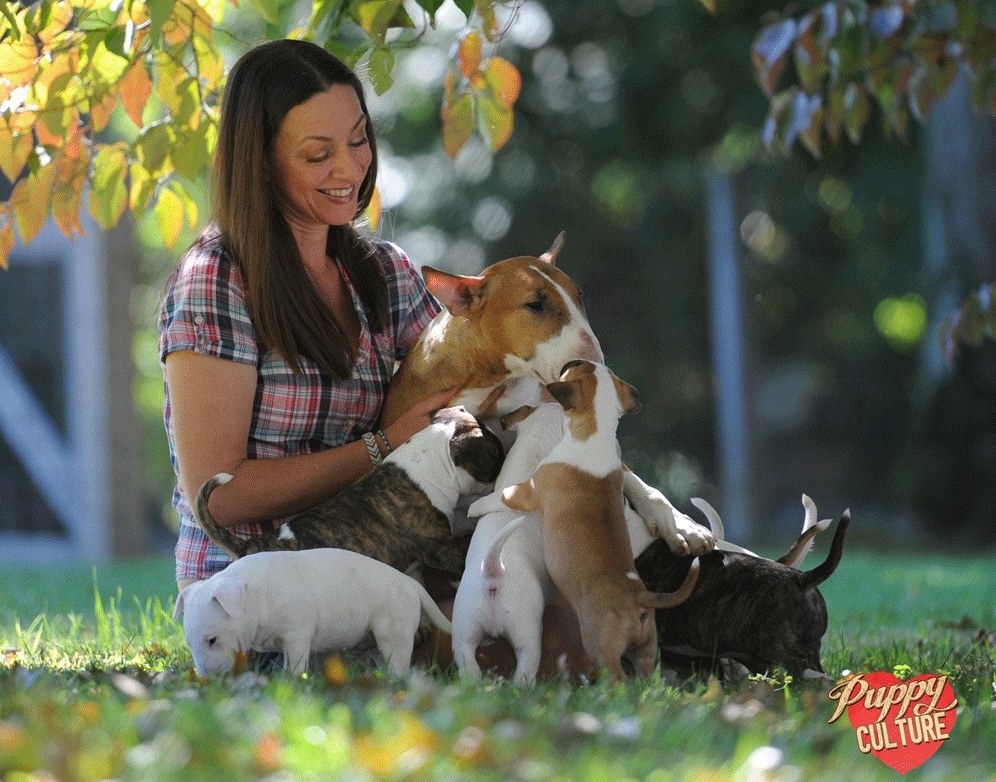
Jane Lindquist Part 1: Puppy Culture Revisit
May
Jess Sedivy (00:00)
Welcome to the Functional breeding podcast. I’m Jess Sedivy Gunderson, filling in as interim host for Perry while she is on a break.
The FDC podcast is here to explore what goes into breeding dogs for functional health, both behavioral and physical. This podcast is brought to you by the Functional Dog Collaborative, an organization founded to support the ethical breeding of healthy, behaviorally sound dogs. The FDC provides educational, social, and technical resources to breeders of both purebred and mixed breed dogs.
You can find out more at functional breeding.org or in the functional breeding Facebook group, which we work very hard to keep friendly and inclusive. If you would like to support the podcast, you can find us on Patreon. There will be a link in the show notes.
Jess Sedivy (01:00)
Hi everyone, and welcome back.
Back in 2021, the FDC released a conversation between Perry and Jane Lindquist—dog trainer, breeder, and founder of Puppy Culture. We replayed that episode again in 2024, and it went on to become our most downloaded episode to date—for good reason. It’s thoughtful, wide-ranging, and really gets at the heart of raising puppies well.
If you haven’t listened to that original conversation yet, I’d definitely encourage you to start there.
Since that episode first aired, we’ve seen shifts in how we think about socialization, exposure to novelty, the impacts of the COVID pandemic on puppy development, and how breeders approach early raising more broadly.
Because I am so close to welcoming a litter I bred as part of the Flatcoat Conservation Project Xan Latta and I founded—I wanted to take this opportunity to go back to Jane and ask: how has her thinking evolved? What has she changed, refined, or rethought in how she raises puppies today?
This conversation ended up being a big one, so we’ve split it into two parts. In this first episode, we focus on development, behavior, and early experience. In part two, which will drop in a few weeks, we shift into Jane’s newer work around weaning and the puppy gut microbiome.
But across both episodes, one theme really stands out: there are no simple, one-size-fits-all answers. Raising puppies well isn’t about following a perfect checklist—it’s about learning how to observe, how to respond, and how to make thoughtful decisions based on the dogs in front of you… and also being willing to adapt as new information emerges.
So with that, let’s get into the episode.
Jess Sedivy (02:58)
Jane, I’m really glad to have you here for this conversation. Thank you so much for coming back on the Functional Dog Collaborative podcast. It’s really nice to meet you. And this is very well timed because I have a litter due at the end of May, which is so we’re recording for our listeners, we’re recording in mid May and I have a litter due in a couple of weeks. So the timing on this is going to be really great for me.
Jane Lindquist (03:21)
That’s so exciting. I’m really glad to be here.
Jess Sedivy (03:23)
I am too. I’m pretty sure my puppies are glad you’re here too. ⁓ So your original conversation with Perry has really had a lot of staying power in the community of people that FDC interfaces with. And I’m excited to get to some of the new insights that you have into weaning and the microbiome. And we’re going to get into those later. But first,
We want to talk about the fact that a lot has changed in the dog world since you did the episode which originally aired in two thousand twenty one and especially in this post covid. Era and how we were all very focused on puppies during covid and and how those puppies were coming home and what was going to happen to them and now that we are in this five to six year window post covid there’s there’s a lot that we can talk about.
So what have you noticed in dogs now that you’re looking at who were raised during that time of the pandemic?
Jane Lindquist (04:23)
Well, I think the first thing that we really have to talk about is how fascinating it was. It was a social experiment that would have been so unethical to have conducted, but we got to see it, right? We got to see all the groups. We had control groups. We had all puppies and dogs where their socialization was truncated at different points. And we got to see what the effects were. So I think…I mean, the big takeaways for me, it’s not so much how can I say that I’m seeing it in the dogs as I’m seeing what the dog and puppy owners had to deal with, what they had to overcome. So number one, we’ve always said that puppy culture or any good socialization program is really like a ticket for the puppy owner, right? It’s a, ⁓Don’t pass go, or get out of jail free. You don’t have to go to behavior mod camp. You can just get on with your puppy owner stuff and your socialization and your fun stuff and your training because we as the breeder have done all the foundation work, but there really is still a part that the puppy owner has to do. It’s not like it’s all done before 12 weeks and then that guarantees. There’s a lot that still has to be done. Well, if we had any doubts.
you know, we saw it in COVID, right? Because we saw puppies that were socialized by top-notch breeders brought up right to 12 weeks, and then boom, COVID, they were locked up and those puppies struggled, a lot of them. So.
I think what happened is that most all of those dogs were salvageable, but now we had a lot of puppy owners onto standard counter conditioning and desensitization and habituation like with an adult dog, which was really beyond the pay grade of a lot of puppy owners, right? So we had a lot more involvement with the dog training ⁓ profession, on a professional level with a lot of those COVID puppies.
Myself, I don’t really see at this point particularly lasting effects, which is interesting because it does seem like they were able to make up for it for the most part. But then again, I’m not in the trenches doing dog training every day. I mean, are you seeing the same thing?
Jess Sedivy (07:05)
⁓ You know, I’m not in the trenches doing dog training either. So, and, I got, I had a dog that I got a couple years before COVID. So COVID ended up being this great thing in our household in the sense that my husband started working from home and never returned to the office. So we ended up as a, as in our own household.
Jane Lindquist (07:08)
Right. Right, ⁓
Jess Sedivy (07:28)
COVID ended up being quite beneficial because we didn’t have a little puppy but ever since then somebody has been home with the dogs all the time. I do remember during COVID a lot of people getting puppies and I also remember in Minnesota it was a very nice springtime so a lot of people were able to have the puppies outside but I definitely think a lot of us were worried about the socialization and we’re definitely worried about people being able to get their puppies out and meet other people and really build that crucial resiliency at their young age.
Jane Lindquist (08:06)
Yeah, I mean, I think we saw a lot of short term effects like at the dog shows and stuff, you’d see a lot of squirrely dogs, a lot of dogs having a hard time with it. But I do think six years later, you know, people have managed to kind of work it out. But, you know, another thing I would say, lesson from COVID is that if we had any doubt about anything, genetics does trump everything. mean, first, second and third, it’s genetics.
Jess Sedivy (08:35)
And so it is, love how you talk about puppy culture being for puppies, because I think at heart we should all be working for dogs, which doesn’t change the fact that we still have to look at dogs culturally and we still as people have to be able to interact. So I do think these conversations are fascinating.
Jane Lindquist (09:00)
You know, I always say…Listen, to be a good dog breeder, really have to love people as much as you love the dogs. You really do, because…
Jess Sedivy (09:10)
You do. You have to meet dogs where they are and you have to meet people where they are.
Jane Lindquist (09:15)
You’re putting relationships into the world and you can’t do that well if you don’t like the people.
Jess Sedivy (09:22)
No, and I think too that I know one thing that motivates me as a breeder is I know how wonderful and how impactful a dog can be for somebody and what a dog can bring to their life and how it can be life changing. And that is a motivator for me to keep doing the work and also to raise really good puppies and give them the best start possible and get them into the best homes possible.You talk a lot on your podcast and in your materials about being your puppy’s advocate. And can you talk a little bit more about what that means to you? What that looks like?
Jane Lindquist (09:56)
Mm-hmm. Yeah, okay, so. I think the biggest thing it’s be aware of social pressure and be prepared for it. Because when you’re faced with authority or social convention that…
know on some level doesn’t sit right with you for your puppy, you’re not gonna have the wherewithal in the moment to think on your feet and gracefully resist that. It is something that you really have to cultivate, the confidence and also the playbook, you know, that okay, I’m out with my puppy, I’m paying attention to my puppy. And Chatty Cathy is here and she wants to talk to me about the town council meeting. But my puppy’s getting tired and somebody else is walking toward the puppy and wants to pat the puppy and Chatty Cathy is just completely oblivious. And you don’t realize how deeply embedded social conventions are in you until you really just have to ignore somebody in favor of taking care of your puppy.
So. Again, on on its top level, that’s what it is to advocate for your puppy. It’s to be prepared in these situations to always have your puppy’s best interests in mind and be ready to combat authority, social convention, internally combat that not to be combative about it, because we never want to be combative. It doesn’t get us anywhere. But something as simple as somebody gives you advice that you know is wrong.But they are a master dog trainer and they’ve got their certifications and they’re top down and they’re like, gotta grow that puppy. You gotta show that puppy or that puppy’s not gonna respect you. I mean, you have to be ready to say, well, that’s interesting. I’ll have to think about that and walk away. But if you haven’t thought about that ahead of time, you’re more likely to kind of stammer and argue with this person. And you’re gonna lose because you’re a puppy owner and they’re a master dog trainer. So yeah, that is on the top theoretical level what it is. then on the most basic level, it’s to protect your puppy’s interests first. Put your puppy first.
Jess Sedivy (12:50)
I remember when I bred my first litter, which was quite some time ago now, socialization was this concept where we really overemphasized bombarding puppies with all kinds of new experiences and probably what I would consider unfairly pushing them outside of whatever their comfort zone was. At the time it’s like everybody had to meet your puppy and your puppy had to go on long car rides all over the place and and you know we pushed puppies to the point where i think they got tired and burned out and weren’t really getting much out of the experience so i do feel like that has shifted and I feel like we are more aware of that now and so thinking back kind of over your career and over the course of your evolution, what does good socialization really look like to you now?
Jane Lindquist (13:49)
Yeah, that’s an interesting question. You would have to, so you’re saying in contrast to the flooding essentially that we used to do, right? I do think that is a lesson that we’ve learned and that we’ve evolved past. And I do think in our early litters, we did do a lot more just flinging the puppy against lists of things and saying, well, you know, here’s a hundred people, a hundred surfaces of it. I mean, which, which I don’t want to be disrespectful of that. Okay. Because that was such an enormous leap ahead of what we had before. Right. So it’s no, mean, all props.
Jess Sedivy (14:26)
It was. definitely was.
Jane Lindquist (14:31)
To the people that were behind that movement.
But I think the most important thing that we’ve grasped is that socialization is really an emotional sensitivity. It’s, I think, this is just my theory, it is a predisposition to form quick, classically conditioned responses with as little as one repetition. So the puppy doesn’t distinguish though between, classically conditioned responsive, like aversive responses and good responses. So one good experience, a puppy has one good experience with a man in a hat. You can kind of check man in a hat off, at least for now. But the puppy has one bad experience with a man in a hat, a man in a hat swoops over him too fast, picks him up and drops him. That’s kind of burned in that puppy’s brain too.
It’s that emotional sensitivity, it’s that double-edged sword of that emotional sensitivity that I think we have really come to terms with as dog professionals. Again, how much that has seeped into the general consciousness of the public, I think it still needs more to go further, but I think we’re making headway with it, I do.
Jess Sedivy (16:02)
I do too. think we’re, I think we’ve made progress and I, I do think we’ve made progress with, with people having the confidence and, ⁓ the mindfulness to advocate for a puppy and to, really help, help shape them. And I think one thing, this is just my opinion, but I think one thing we’ve moved away from a little bit too, is just this checklist. We, must do this, this, this, this. And if one of them doesn’t go well,
Jane Lindquist (16:29)
Right.
Jess Sedivy (16:32)
Your puppy is a failure and there’s something wrong. And so I’m glad that we’ve kind of passed that, I think.
Jane Lindquist (16:34)
Mmm.
Right, well you touched on a couple different things there. You know, one is the checklist and it’s an interesting thing because, listen, I’ve learned so much in the past 10, 12 years, however long it’s been since Puppy Culture came out, because I’ve done so many presentations to such diverse groups of people. And you said it before, you have to meet people where they are. I do think there’s a general awareness that it’s a more nuanced picture and that you have to be looking for the reaction of the puppy to the situation. ⁓ But I also think that it’s not within everyone’s ken to do that.
Jess Sedivy (17:33)
We’ve been, ⁓ lately we’ve been focusing on recording some breeder spotlights, which has been really fun because I’ve gotten to, to talk to different breeders that are approaching things differently and ⁓ specifically breeders who are really breeding for companion temperament. And one of the things that I wanted to ask you about, because it has come up in some of our conversations where there’s a discussion about puppies being friendly versus being fairly neutral.
Jane Lindquist (18:02)
Okay.
Jess Sedivy (18:02)
Which gets tied up somewhat into does do dogs have on switches off switches, things like that. How are they with new people? Do you think about that? And do you have thoughts on neutrality versus friendliness with puppies?
Jane Lindquist (18:15)
Are you talking about dog to dog or dog to people? ⁓
Jess Sedivy (18:19)
or let’s do both. Let’s start with dogs to people.
Jane Lindquist (18:23)
Well, dogs to people, it’s an interesting thing because I have a breed that is extraordinarily people friendly. ⁓ So, right, it’s not.
Jess Sedivy (18:32)
So do I.
Jane Lindquist (18:36)
And I don’t, and they’re also wild. So I don’t, how can I say? I don’t really worry about teaching them to ignore people because I know I’m gonna have to manage it. And I’m just like, don’t approach, don’t approach the dogs gonna, the dog is gonna jump on you. I’m just telling you, you know, if you don’t want it, don’t come near the dogs gonna jump on you, I can’t stop it. So at least, you know, the young. And frankly, my dogs are short and I’m tall, so I kind of let them jump on me anyway. And that’s just how, and I just tell people, listen, I let my dogs jump on me. So if you don’t like it, I don’t blame you, but not, you don’t have to like it, but I’m just telling you they’re gonna do it. So, okay, neutrality versus friendliness.
Jane Lindquist (19:23)
With other dogs, I do a lot of puppy play dates. I don’t do puppy classes anymore for my puppies. Well, there just isn’t really a good one near me. I’m in a rural area. It’s more difficult to find. But I do have a lot of breeder friends. So we have litters and we bring adults over to each other’s houses and we bring puppies over to each other’s houses. So my puppies get plenty of quality play time that way. But, I do agree that I don’t need my dogs to do anything except ignore everything. I don’t really need them to be overly enthusiastic to other dogs. I just need them to ignore other dogs. So to that end, I do the foundation of the play dates. I don’t do play dates indefinitely. I only do it with puppies for my dogs or they have some friends that, know, lifelong friends. But for the most part, it’s puppy stuff that I do that with. And then I do show handling class because what is show handling class? Stand there, ignore the other dogs and get fed. That’s all I need you to do is just be here and pay attention to me and nothing else.
I do that and I do nose work. When Perry interviewed me last time, I talked about how I do all the things with my dogs, except nose work was the one thing I hadn’t gotten into yet. Well, now she said nose work happens and now it’s happened. So I’ve also found nose work to be the best foundation to me for anything.
The combination of nose work and show handling, ignore the other dogs. And by the way, you can go into olfactory whenever you need to, to recenter yourself. You have that tool, deep olfactory if it’s really stressful for you. I don’t really think you need much more than that.
Jess Sedivy (21:32)
I don’t know if most average American families would go through saying well I my desire is for my dog to just ignore other dogs because we project so much of ourselves in the sense that as humans is rude for us to ignore people and so it is just kind of this fascinating.
Jane Lindquist (21:47)
Mm-hmm.
Right. ⁓
Jess Sedivy (21:55)
I’ve always thought it was this fascinating dance between our own social interactions and what we expect from dogs and what we project on them. But that was just something that popped into my head while you were talking.
Jane Lindquist (22:06)
Listen, a good socialization session, a good play session, it’s not play. My favorite thing to see is when one of my friends brings over one of her adult dogs of, I know Leonberger breeders, I know Vizsla breeders, I know Rhodesian Ridgeback breeders and I know pug breeders. Like those are the four friends I have in town that we can swap dogs. And New Finlands too. And my favorite is when those two dogs just parallel sniff, they’re just going along or just ignoring each other, just coexisting. Coexisting is so awesome. Playing is fraught with a lot of…angst, right? There’s a lot. Sometimes you’ll get a good play group. Sometimes they’re playing because they’re socially uncertain and they kind of want to work it out. Like, how are we together? So yeah, playing is the sexy thing for the pet owner. And it’s the thing. It’s sort of like the ENS of puppy ownership. Like I always say, come for the ENS, but stay for the meaty protocols. It’s like come for the puppy play session but stay for the stuff you really need to know like the training, the protocols, the anti-resource guarding, the attention, mean, all that stuff. So it’s the bait that we get people in with is the play session. It’s what makes people feel like, my puppy’s kind of getting his money’s worth out of this session, the socialization session. But yeah, no, I mean, my favorite socialization sessions are definitely two dogs coexisting.
Jess Sedivy (23:43)
Okay. So Jane, how much do you feel has changed since you started puppy culture and, and do you, can you identify things that you think have changed or have, have moved along and move forward?
Jane Lindquist (23:57)
When I was making Puppy Culture…I don’t mean this in any macabre way, but I was like, please don’t let me die before I can finish this. I was like, I just have to, I was a young person, relatively young person, but I was just like, oh my, I just have to finish this. If I can just finish this, I’ll have done something in this world. And my dream was always that.
it would be ⁓ like a planned obsolescence that eventually it wouldn’t be puppy culture, it be like, well, this is the way you raise puppies. And I think we’ve made a lot of progress towards that. I think that we’ve moved past just enriched environments, right, toys and ENS, and we’ve moved toward people recognizing that good breeders are gonna be doing some meaty protocols with their dogs. They’re gonna be doing some crate and confinement training. They’re gonna be doing some basic leash walking and they’re going to be doing anti-resource guarding protocols. They’re gonna be doing some early socialization. So I think that yes, the world has come a very long way in the last 10 or so years since puppy culture came out. Are we all the way there yet? No, we’re not all the way there yet, but there’s been a lot of progress.
As far as puppy culture itself, it’s actually amazing to me how it stood up. ⁓ I would say there’s one thing that if I ever did a second release, I would add, and it’s not that I would change it, but I would add more early neurological protocols than the ENS that’s in there because…and I did talk about this with Perry. I don’t really think that ENS is the best protocol for most puppies that are raised in a home environment because we’re handling them all the time anyway. I do think simulated maternal stimulation can be helpful and I’ve written an article on it. It’s also in my breeder courses but briefly, the HPA axis, meaning to say the stress response, how the puppy responds to stress and how they recover from stress is programmed, starting prenatally and especially in the early part of their life. And one of the things that is a strong programmer of the HPA axis is maternal touch. So how much licking is the puppy getting? This is all from rat studies.
They found in rat studies that rats from high-lick mothers had a better stress response. Just, I’m gonna say better, very generic way of saying it, but the studies went into the whole chemically what was going on. But they had a better stress response.
And it stands to reason if you think about it because from an evolutionary point of view, if you’re not getting a lot of maternal input, it probably means you’re being born into a resource poor environment. Your mother is out foraging for food or maybe not there or afraid or hiding from predators. So what kind of emotional adaptations are going to serve you? Well, I mean, fear, aggression, the ability to maintain a high level of cortisol and stress and be constantly on alert, vigilant.
So that is not typically what we want from our puppies, right? We want the puppy that believes it’s born on Park Avenue. We want the puppy that believes it’s born into a resource-rich environment, and what are the evolutionary adaptations for that? Friendliness, calmness, openness. I mean, I’m gonna put a pin in this and come back to something else that you said earlier when we were talking about emotional responses and how you have to work within the genetics and sometimes this is what you have. And I think we also have to recognize that there are no good and bad genetics and there are no good and bad emotional responses. There’s mismatches per the environment. So if you’re a wild dog and you’re born into a resource poor environment, I mean, there’s some emotional responses and adaptations that are going to serve you really well, they’re going to get you euthanized, they’re to get you a behavioral euthanasia if you’re in a family home. But that doesn’t make them bad emotions. It makes them inappropriate for the situation. Okay, so again, coming back to that licked rats and the ENS versus SMS, SMS being simulated maternal stimulation, I do think doing more simulated maternal stimulation probably is a more useful early neurological protocol for most puppies because again, we want to tickle the neurological system, but we’re kind of doing that already by picking them up all the time and we were weighing them, we’re cleaning them, we’re moving them in and out of the box to clean the box. Again, I had said this in the last one, but I’ll repeat it here.
The original ENS studies with dogs were German shepherds in a kennel situation. ⁓ So a breed where the mother says, my beer and you don’t see her for two weeks. So pretty close to what a wild dog would be. So that extra handling, maybe they really did pick up a little extra in that situation. But I think your people and us, the puppy culture people, I mean, we’re already doing ENS every day with those puppies. It’s really not probably the best early neurological protocol. I still stand by having it in puppy culture because for whatever reason, it is the absolute darling of most breeders. They love to do it. So does it hurt the puppy? No, no, it’s not done safely as we do it in the film. And again, come for the ENS and stay for the meaty protocols.
Jess Sedivy (30:38)
So before we wrap up this segment, I’m just, I’m wondering if a breeder has the capacity to only focus on a few things, what do you think their top priority should be?
Jane Lindquist (30:53)
Mm-hmm.
Okay, I think you have to look at it. I think you have to examine it a little bit from the lens of your breed. What is the problem with your breed? Okay, it’s like Jean Donaldson said that every breed has, it’s like three buckets, it’s, know, fear of people, fear of other dogs, fear of situations, right? Like guardian breeds they freak out if you move the furniture. They don’t wanna see anything change, okay? So putting that aside, which I heartily recommend that people figure that out for their breed.
I always say attention is the mother of all behaviors, but crate confinement training and a recall are the king and queen. If you can send your puppy home with crate confinement training and a recall, you have equipped your puppy owner to deal with any problem. If they have those two things, the puppy’s getting into the garbage, recall.
People are at the door, the puppy’s freaking out, recall, crate. If the crate becomes, or the confinement pen area, which is what we recommend for puppies, becomes an automatic cue to settle, you’ve just really given your puppy owner a big gift. So those two things, and socialization for sure, some early socialization.
Jess Sedivy (32:20)
I want to say to you, Jane, that one of the things that I so deeply appreciate about you and appreciate about puppy culture itself, and I think you perfectly captured it, is that it is so important to treat puppies as individuals. It is so important to say, I maybe don’t have to follow the script perfectly because that’s not what meets my puppy’s needs. And I think one of the most empowering things we can do as breeders is teach our puppy homes to have that confidence and to teach them to have that relationship with their puppy and to say, it’s okay to meet my puppy where he or she is at in this moment right now. And I think that that really can be such a very crucial foundation to somebody’s relationship with their dog.
Jane Lindquist (33:19 )
Absolutely. It’s well, that also goes back to that label thing that we touched on, but we didn’t really talk about where it’s so important not to label our puppies emotionally or as, ⁓ my puppy’s dominant, my puppy’s fearful, my puppy’s this way. Well, that’s just the way my puppy is. Or my puppy’s pushing my buttons. No, your puppy, celebrate your puppy. Your puppy is your puppy and deal with the puppy in front of you. And enjoy it, see the magic in it, because they’re all magical. I did wanna talk about one other thing that you talked about that I thought you were gonna go in this direction.
You know, not every breeder…is gonna be able to rise to the level of having, you know, being able to observe puppies and serve them per developmental period. But I think there’s a lot of breeders that are kind of a little timid about it, because they’re not sure, right? So I think the one thing, if I had a message for breeders who are like, I just want a list, I don’t know, I can’t. I think you can actually. It’s commandability. I think you just need to make a decision and be okay with it. I think that you need to go into the breeding and the litter and say, I’m gonna make decisions and I’m gonna say, I’m gonna call this puppy, isn’t yet had in a fear period, hasn’t had an initial fear response. I think it’s gonna be okay to do this protocol. ⁓ Wait a minute, no, I don’t think it’s gonna be okay. mean, you have to make decisions and decisions by their nature might be wrong. And sometimes will be wrong, because if they weren’t, they wouldn’t be decisions. There’d be no decisions. If I had to empower breeders with one thing, it’s, you know, make a decision and stick with it and be proud of your decisions, even if they’re wrong, because I don’t, it’s not about checking off the boxes and doing all the right things. Well, I touched the puppy’s feet this many times. I did this. I twiddled my thumb or whatever it is. It’s I looked a t the puppy and I made a decision and I thought on my feet. Same thing with advocating for your puppy. I advocated for my puppy. I did in the moment what I thought was the best decision.
Jess Sedivy (35:52)
Jane, thank you. And in part two, we are going to shift more into your recent work around weaning and early nutrition and the puppy gut microbiome and how those early feeding decisions may be shaping health and behavior in ways that you have been working to understand. But this was a real joy. So thank you for this episode.
Jane Lindquist (36:11)
For me as well, thank you.
Jess Sedivy (36:14)
To learn more about the functional dog collaborative, visit functional breeding.org. This podcast is brought to you by the Functional Dog Collaborative. This episode was produced and edited by Charmaine Swan with production support from me, Jess Sedivy Gunderson. If you’d like to support the show and FDC itself, you can find us on Patreon. Check the link in the show notes. Enjoy your dogs.
To learn more about Jane and her courses, visit puppyculture.com or madcapuniversity.com